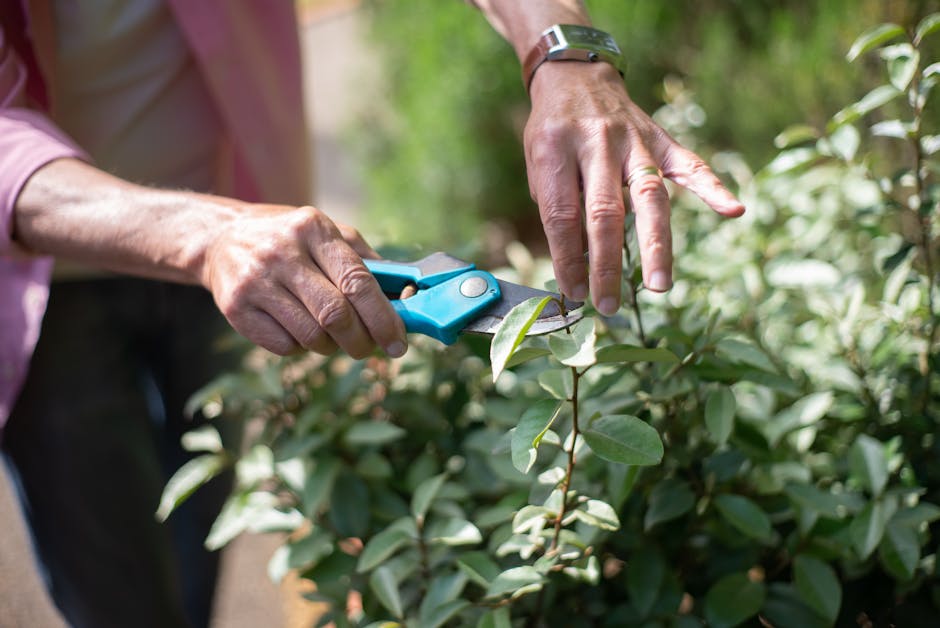
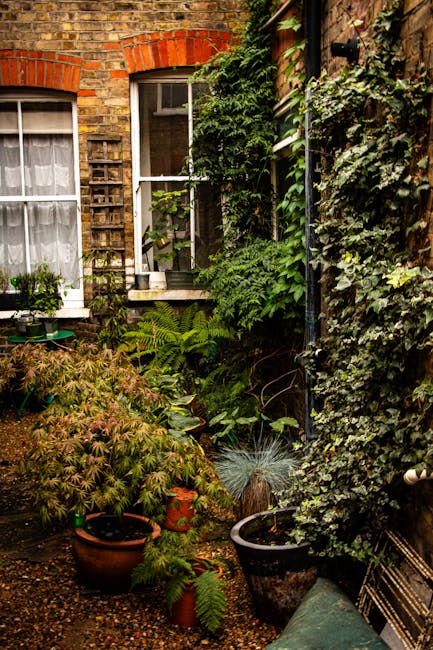
SW11 garden care guide from trusted Battersea gardeners
If you live in SW11, you already know a Battersea garden can be a blessing and a bit of a challenge. One week it looks lush and lively; the next, a windy spell, a soggy lawn, or a hedge that has gone slightly feral changes everything. This SW11 garden care guide from trusted Battersea gardeners is designed to make the whole thing feel more manageable. It explains what good local garden care actually involves, why it matters in an urban London setting, and how to keep your outdoor space looking tidy, healthy, and genuinely enjoyable.
Whether you have a compact courtyard, a family garden, or a larger space that needs regular attention, the aim is the same: less stress, better growth, and a garden you want to step into on a mild morning with a coffee in hand. Simple enough, but not always easy. Let's get into the practical stuff.
Table of Contents
- Why SW11 garden care matters
- How local garden care works
- Key benefits and practical advantages
- Who this is for and when it makes sense
- Step-by-step guidance
- Expert tips for better results
- Common mistakes to avoid
- Tools, resources and recommendations
- Law, compliance, standards and best practice
- Options, methods and comparison table
- Case study or real-world example
- Practical checklist
- Conclusion
- Frequently asked questions
Why SW11 garden care matters
Garden care in SW11 is about more than keeping things "nice". Battersea gardens tend to work hard. They face compacted soil, shade from nearby buildings, patchy airflow, foot traffic, pets, and the classic London mix of heavy rain followed by dry spells. That combination can stress lawns, encourage weeds, and make borders look tired faster than you expect.
There is also the local lifestyle factor. In a busy postcode like SW11, your garden often doubles as a retreat, a play space, a social area, and sometimes a storage zone. If maintenance slips, clutter builds up quickly. A few fallen branches, a hedge left too long, or a lawn that has not been cut properly can make the whole place feel neglected. Truth be told, once a garden starts to slide, it tends to slide fast.
Trusted Battersea gardeners understand those pressures. They do not just "do the jobs"; they read the space. They notice where water gathers after rain, which plants are struggling in shade, and where trimming or clearance will have the biggest impact first. That local understanding is what makes this kind of guide valuable. It is not generic advice dragged across London. It is practical care shaped around how SW11 gardens actually behave.
For homeowners, landlords, tenants, and property managers, this matters because a well-kept garden supports everyday use, kerb appeal, and long-term plant health. If you are comparing support options, it can help to review a provider's broader garden services overview alongside the specific tasks your space needs.
How SW11 garden care guide from trusted Battersea gardeners works
At its simplest, good garden care is a cycle: inspect, prioritise, maintain, and review. That sounds obvious, but the order matters. A tidy lawn means little if the roots are waterlogged. A sharp hedge can still hide dead growth. A fresh mulch layer is useful, but not if weeds were never cleared first. The job is usually more layered than it first appears.
In practice, reliable garden care in Battersea often follows a routine like this:
- Assess the garden as it stands. Look at lawn condition, hedge shape, border health, drainage, access, and any safety concerns.
- Separate urgent work from routine work. Clearing broken branches or overgrowth comes before cosmetic tidying.
- Carry out the core tasks. This may include mowing, hedge trimming, pruning, weeding, edging, and waste removal.
- Improve the growing conditions. Aerate compacted soil, refresh mulch, adjust watering, or improve shade management where possible.
- Set a maintenance rhythm. Weekly, fortnightly, or seasonal upkeep keeps the garden from becoming a bigger job later.
For many homes, the work involves several services rather than one-off attention. A lawn that looks patchy may need more than mowing; it may need a change in cutting height, improved feeding, or even a reset through a broader maintenance plan. If overgrowth, debris, or neglected beds have piled up, a proper garden clearance service can be the clean starting point before maintenance resumes.
That is usually the difference between short-lived tidying and real garden care. One is a quick fix. The other builds momentum.
Key benefits and practical advantages
There are plenty of reasons to keep a SW11 garden in shape, and most are refreshingly down to earth. Better appearance is one. Easier use is another. But the deeper value is that consistent care prevents small issues becoming annoying, expensive, or awkward ones later.
- Healthier plants: Regular pruning, weeding, and seasonal attention reduce competition for light, water, and nutrients.
- Safer outdoor spaces: Slippery paths, low branches, and hidden debris are easier to avoid when the garden is kept clear.
- Better use of space: A well-planned garden feels larger and more welcoming, especially in smaller Battersea plots.
- Lower long-term effort: Smaller, regular jobs are usually far easier than a huge catch-up session after months of neglect.
- Improved kerb appeal: In a busy area like SW11, a tidy garden can make a home feel cared for straight away.
- Less stress: This one is underrated. A garden that is under control stops hovering in the back of your mind every time you look out the window.
There is a subtle benefit too: when a garden is maintained properly, you tend to notice what it can become. A shady corner that looked grim in winter may turn into a great seating spot. A bare fence line might suit climbers. You start making better decisions because the space is easier to read.
That is where experienced support makes a difference. If lawn health is part of the issue, it may be worth looking at regular lawn mowing support as part of a wider routine rather than as a standalone chore.
Who this is for and when it makes sense
This guide is useful for a wide range of SW11 residents, because garden care needs are not one-size-fits-all. Some people need help every week. Others mainly need a seasonal reset. And some just need to know where to start because the garden has become one of those "I'll deal with it next month" jobs. You know the type.
Homeowners
If you own a property in Battersea, regular garden care helps protect the condition and usability of your outdoor space. It is especially sensible if you want to keep plant beds healthy, maintain a clean patio area, or avoid expensive recovery work later.
Landlords and property managers
Rental gardens can deteriorate quickly between tenancies or during periods of low use. A steady maintenance schedule helps present the property well and reduces complaints about untidy outdoor areas. It also makes inspections easier, which is no bad thing.
Busy households
Families often need practical, low-fuss upkeep. If weekends are already full, outsourcing routine work can stop the garden becoming an argument waiting to happen.
Tenants
Some tenants want help keeping the garden within a reasonable standard without taking on heavy-duty work. A periodic tidy-up or hedge trim can be enough, depending on the tenancy terms and the garden's condition.
Anyone facing a seasonal reset
Spring and late autumn are common moments to bring in help. After winter, gardens often need dead material cleared, beds refreshed, and hedges checked. Later in the year, leaf fall and damp conditions can make everything feel messier than it really is.
If you are unsure where your garden sits on that spectrum, a sensible starting point is to look at the provider's garden maintenance approach and decide whether you need one-off help, recurring visits, or a combination of both.
Step-by-step guidance
Here is a practical way to approach garden care in SW11 without overcomplicating it. The goal is not perfection. It is control, health, and a garden that feels looked after.
1. Start with a full walk-through
Begin at the gate and walk the whole garden slowly. Look at the lawn, borders, fences, paths, sheds, raised beds, and any shady or wet areas. Notice what jumps out first. Overgrown hedge? Mossy lawn? Leaves packed around the base of shrubs? That first scan tells you where the real work sits.
2. Clear obvious debris
Remove fallen branches, broken pots, dead foliage, and general clutter. It sounds basic, but it helps you see the garden properly. You cannot fix what is buried under mess. And yes, it is usually more satisfying than you expect.
3. Tackle the structure
Trim hedges, shape shrubs, and cut back anything blocking light or access. If growth has gone beyond what a normal garden tidy can handle, a dedicated hedge trimming service can restore structure neatly and safely.
4. Sort the lawn
Mow at the right height for the season, not just the lowest setting available. Shorter is not always better. In warmer dry spells, cutting too low can stress the grass and make it thin out. If your lawn is patchy, thin, or uneven, mow with a bit of judgement and avoid taking too much off at once.
5. Weed and refresh the borders
Weeds compete for resources and make beds look neglected very quickly. Clear them out regularly, then check whether the soil needs topping up or mulching. A neat border can do a lot of visual heavy lifting.
6. Check drainage and moisture
In London gardens, drainage can be a quiet nuisance. Puddles, soggy patches, or plants that never seem happy may point to compaction or poor runoff. You do not need to turn into a drainage engineer, but you do need to notice when water is sitting around instead of moving through.
7. Finish with waste removal
Once the work is done, remove green waste so the garden does not immediately look half-finished again. If there is a lot of material to shift, or the space is heavily cluttered, a structured clearance service can save a great deal of time and strain.
The simple version? Start with what is making the biggest visual and practical mess, then build from there. One job at a time. Nice and steady.
Expert tips for better results
Seasoned gardeners tend to make small, intelligent choices rather than dramatic ones. That is where the quality shows. A few details can change the outcome more than you might think.
- Cut hedges before they become a problem. Light, regular shaping is cleaner than hacking back overgrown growth once a year.
- Do not scalp the lawn. Especially after wet weather or in dry conditions. Grass needs some leaf length to stay resilient.
- Work with the garden's microclimate. The back corner may be shadier and damper than the rest. Treat it accordingly instead of using one approach everywhere.
- Keep access points clear. Side returns, paths, and bin routes matter more than people expect. If they are blocked, the whole garden feels awkward.
- Use pruning to reveal shape, not just reduce size. Good pruning improves light and airflow. It is not only about making things smaller.
- Plan for the next season, not just the current week. A garden tidied in late summer should still be manageable in autumn. Think ahead a little.
One thing we often notice in Battersea gardens is that people wait too long to act on the first signs of trouble. A hedge that is slightly too tall becomes a hedge that shades the flower bed, which then struggles, which then looks sparse, which then needs replanting. You get the picture. Early intervention is usually kinder and cheaper.
If your outdoor space also includes timber features, it helps to keep an eye on how they sit in the wider layout. A neat deck can make a garden feel finished, and services like decking work can complement the care of planting and lawn areas when the whole space needs a rethink.
Common mistakes to avoid
Most garden problems are not dramatic. They are the result of small habits repeated too long. That is the slightly annoying truth of it.
Leaving jobs until everything has become overgrown
Once the hedge is flopping, the lawn is thick with thatch, and the borders have turned into a tangle, the job becomes slower and more expensive. Regular care is easier, full stop.
Using the same routine all year
Gardens change with the seasons. What works in June may be wrong in November. Mowing, pruning, watering, and feeding all need a bit of seasonal judgement.
Ignoring waste and debris
Green waste left in piles can block light, encourage mould, and make the garden look neglected even after the main work is done.
Over-pruning or cutting at the wrong time
Some plants cope better than others. Cutting too hard or too late can reduce flowering or stress growth. If you are unsure, be conservative. A little restraint usually beats a rash trim.
Forgetting the practical layout
A garden can look good but still be awkward to use. Narrow access, hidden trip hazards, and badly placed pots all matter when people actually want to enjoy the space.
Assuming all problems are cosmetic
Sometimes a poor-looking garden is really telling you about soil, light, drainage, or root competition. If the same area keeps struggling, the issue may be deeper than the visible symptoms.
And yes, there is always the classic "I'll do it next weekend" mistake. We have all been there. Next weekend turns into next month rather quickly.
Tools, resources and recommendations
You do not need a garage full of kit to keep a SW11 garden in good shape. A small, sensible toolkit is often enough, provided it is used regularly and maintained properly.
| Task | Useful tools | Why it helps | When to consider professional help |
|---|---|---|---|
| Lawn care | Mower, edging tool, rake | Keeps grass neat and prevents ragged edges | If the lawn is very uneven, patchy, or too large to manage regularly |
| Hedge shaping | Secateurs, hedge trimmer, gloves | Supports clean lines and healthier growth | If hedges are tall, wide, or close to access points |
| Weeding and borders | Hand fork, trowel, kneeler, mulch | Makes bed maintenance easier and more comfortable | If weeds have become deeply rooted or widespread |
| Clearance | Heavy-duty bags, rake, pruning saw | Helps gather waste after seasonal or one-off jobs | If there is a large volume of cuttings, branches, or mixed green waste |
| Tree and shrub management | Pruners, saw, ladder used with care | Supports safe, selective cutting | If branches are high, near fences, or beyond comfortable reach |
Choosing the right help matters too. For instance, some gardens need routine visits, while others need a one-off clean-up followed by occasional maintenance. If you are planning a larger refresh, the right place to start is often a discussion around pricing and quotes, because the best plan depends on size, access, condition, and the level of finish you want.
For readers who care about where waste goes, it is also worth considering recycling and sustainability practices. Keeping green waste handled responsibly is part of good modern garden care, and it is a small detail that says a lot about standards.
Law, compliance, standards and best practice
Garden care is usually straightforward, but there are a few things worth handling carefully. In the UK, good practice matters around waste handling, safe working methods, property boundaries, and respect for neighbours. The exact responsibilities can vary depending on ownership, tenancy agreements, access arrangements, and the type of work being done.
For example, if garden work involves higher-risk tasks, such as working near trees, using ladders, or handling heavier clearance, it should be approached with proper care and suitable equipment. Trees and larger branches can be unpredictable. If there is any doubt, it is safer to treat it as a specialist task rather than a casual weekend job.
That is one reason many people prefer to check a provider's health and safety approach and insurance and safety information before booking. It is not about being fussy. It is about knowing the job will be carried out responsibly, especially where ladders, sharp tools, or awkward access are involved.
Best practice also includes:
- keeping walkways free from tripping hazards
- disposing of green waste appropriately
- protecting neighbouring boundaries and fences
- avoiding unnecessary damage to roots, stems, or lawn surfaces
- working within any tenancy or property management requirements
If you are using a professional service, it is reasonable to expect clear communication, sensible scheduling, and fair handling of any issue that comes up. A well-run business should also have straightforward policies, including a clear complaints procedure and transparent terms and conditions. That is just good housekeeping, really.
Options, methods and comparison table
Different gardens need different approaches. Some only need a tidy-up. Others need more structured support. The table below compares the most common approaches in a simple way.
| Method | Best for | Strengths | Limitations |
|---|---|---|---|
| DIY upkeep | Very small or low-maintenance gardens | Flexible, low cost, immediate control | Time-consuming, easy to fall behind, may lack equipment |
| One-off tidy | Overgrown or neglected spaces | Quick reset, good for visible improvement | Does not maintain the result unless followed up |
| Regular maintenance | Busy homes, rental properties, active family gardens | Keeps the garden consistently manageable | Requires ongoing commitment and a routine budget |
| Targeted specialist work | Hedges, trees, decks, design changes, clearance | Addresses specific issues properly | May need coordination with broader maintenance |
If the question is "which one is best?", the honest answer is that it depends on how fast your garden changes and how much time you realistically have. A neat little courtyard may only need light attention. A larger Battersea garden with hedges, lawn, and mature planting can benefit from a fuller plan.
For some readers, the useful next step is combining routine upkeep with a more thoughtful layout update through landscape gardening or broader landscaping work. That can turn a garden from simply tidy into genuinely easy to use. And that is a good place to be.
Case study or real-world example
Here is a realistic example based on the kind of garden many Battersea homes have. A SW11 garden starts the year with a decent-sized lawn, mixed borders, a hedge along the rear boundary, and a narrow side return that collects leaves and general debris. By late spring, the lawn has become patchy around the edges, the hedge has grown unevenly, and the back corner is full of weeds and clippings from previous cut-backs. Nothing dramatic. Just enough to make the space feel tired.
The fix is not one heroic afternoon. It is a sequence. First comes clearance of the loose waste and dead growth. Then the hedge is cut back to restore shape and light. The lawn is mown properly, with the edges cleaned up so it looks intentional rather than fuzzy. Borders are weeded and mulched. After that, the owners settle into a regular maintenance rhythm so the garden does not drift again.
What changes most is not just the appearance. The whole place becomes easier to use. The side return feels wider. The lawn looks greener because it is not being cut too harshly. The hedge stops shading the planting underneath. Even on a damp Saturday morning, the garden looks like it belongs to someone who cares about it, which of course it does.
This is a good reminder that garden care is often about sequence, not force. A thoughtful reset followed by steady upkeep usually beats occasional heavy work.
Practical checklist
Use this checklist to judge whether your SW11 garden needs a quick tidy, a full reset, or ongoing maintenance support.
- Are paths, steps, and access points clear?
- Is the lawn cut to a healthy height rather than scalped?
- Have hedges and shrubs started to block light or views?
- Are borders free from persistent weeds?
- Is there fallen material, clippings, or clutter building up?
- Do any areas stay wet, compacted, or thin no matter what you do?
- Have you checked the garden at least once in the last season, properly, not just a quick glance?
- Do you need a one-off tidy before moving into regular maintenance?
- Would clearance help you see the space more clearly before deciding on improvements?
- Have you reviewed whether safety, access, or waste handling needs professional attention?
If you can tick fewer boxes than you hoped, no panic. That is exactly when a simple plan helps.
Get a free quote today and see how much you can save.
Conclusion
Good garden care in SW11 is not really about chasing perfection. It is about keeping your outdoor space healthy, usable, and pleasant to look at through the changing seasons. The best Battersea gardeners bring a practical eye to the work: they know when to clear, when to trim, when to step back, and when a garden needs more than a quick tidy.
If you remember only one thing from this guide, make it this: small, regular action is far easier than a big rescue job later. That is true for lawns, hedges, borders, and the general feel of the space. A bit of attention now saves a lot of frustration down the line.
And honestly, a well-kept garden does something quietly good for daily life. It gives you a place to breathe. Not bad for a few well-chosen jobs and a steady hand.
Frequently Asked Questions
What does a SW11 garden care guide from trusted Battersea gardeners usually cover?
It usually covers the core jobs that keep a Battersea garden healthy and manageable: mowing, hedge trimming, weeding, clearance, pruning, border care, and basic seasonal upkeep. A good guide also helps you decide whether you need one-off help or regular maintenance.
How often should a garden in Battersea be maintained?
That depends on the garden's size, planting, and how much use it gets. Small spaces may only need periodic attention, while active family gardens or fast-growing borders often benefit from regular visits. The key is consistency rather than waiting until things become overgrown.
Is regular lawn mowing enough to keep a SW11 garden looking good?
Usually not on its own. Mowing helps a lot, but most gardens also need edging, weeding, hedge care, and seasonal tidy-ups. If the lawn is the only thing getting attention, the rest of the space can still look neglected.
When is the best time to book garden clearance?
Garden clearance makes sense whenever clutter, dead material, or heavy overgrowth is stopping you from seeing or using the space properly. Many people choose spring or early autumn, but there is no single perfect time. The best time is usually before the problem gets bigger.
Can Battersea gardeners help with small courtyard gardens?
Yes, and small gardens often benefit a lot from professional care. In compact spaces, even modest improvements to structure, planting, and cleanliness can make the whole area feel larger and easier to enjoy.
What should I check before hiring a gardener in SW11?
Look for clear communication, relevant services, sensible pricing information, and proper attention to safety and waste handling. It is also wise to check that the provider has transparent policies and a straightforward way to discuss any issue if one comes up.
Do I need hedge trimming every year?
For many gardens, yes, though the timing depends on growth rate and hedge type. Fast-growing hedges can need more frequent attention. The goal is to keep the shape under control and prevent the hedge from shading other plants or blocking access.
How do I know if my garden needs maintenance or a full clearance?
If the garden is basically tidy but needs routine care, maintenance is probably enough. If there is a lot of debris, dead growth, or overgrowth hiding the actual layout, clearance is a better starting point. Sometimes people need both: clearance first, then maintenance.
What are the most common mistakes homeowners make with garden care?
The biggest ones are leaving jobs too long, cutting lawns too short, pruning without a plan, and ignoring waste after the main work is done. Another common one is treating every season the same. Gardens change, and the care should change with them.
Can a garden care plan improve kerb appeal?
Absolutely. A neat lawn, shaped hedge, clear path, and well-kept borders make a home feel looked after very quickly. In a busy area like SW11, that first impression can matter quite a lot.
Are there safety considerations for larger garden jobs?
Yes. Anything involving ladders, large branches, heavy lifting, or awkward access should be handled carefully and with the right equipment. If a job feels beyond normal garden tidying, it is sensible to treat it as a specialist task.
What is the best next step if my garden feels overwhelmed?
Start with a simple assessment of what is actually making the space feel difficult: clutter, overgrowth, lawn condition, or access problems. Then decide whether you need clearance, routine maintenance, or a broader landscape update. One clear step is usually better than trying to fix everything at once.